The right speed & agility program for you
This past summer I had the opportunity to collaborate with the International Youth Conditioning Association (IYCA) in creating their recently released Youth Speed and Agility Specialist (YSAS) Certification Course.
Combining the expertise of myself, Dave Jack and Dr. Toby Brooks, I feel confident saying that the final result is the definitive coaching resource on developing speed and agility in youth (6-18) field and court sport athletes.
Why?
Because the three of us catered to our strengths. Dr. Brooks brought his sport science background and drafted the most impressive text I’ve seen on the theory and methodology of teaching speed and agility to kids.
Dave Jack, an advisor to Reebok and Boston Celtic Paul Pierce’s Truth on Health Foundation, brings his wealth of knowledge in the areas of multidirectional speed and agility.
And, of course, I demonstrate my most up-to-date progressions for teaching linear speed.
(Become a Youth Speed & Agility Specialist today.)
As you research possible speed and agility programs to invest in, you may be wondering which program is a better fit for your personal needs: my Complete Speed Training (CST) program or the YSAS Course.
So here is my opinion:
If you coach athletes competing in team (field & court) sports like football, soccer, basketball, lacrosse, etc., you will get more bang for your buck with the YSAS course than you will with CST.
CST is very drill dominant. So it does have a larger overall inventory of drills and exercises in terms of showing you the actual things you’ll specifically use to make up your training sessions. And it does a great job of explaining how to teach and cue those drills so your athletes do them right.
I think that is where CST is very strong and why it continues to be one of the most popular speed training programs on the market.
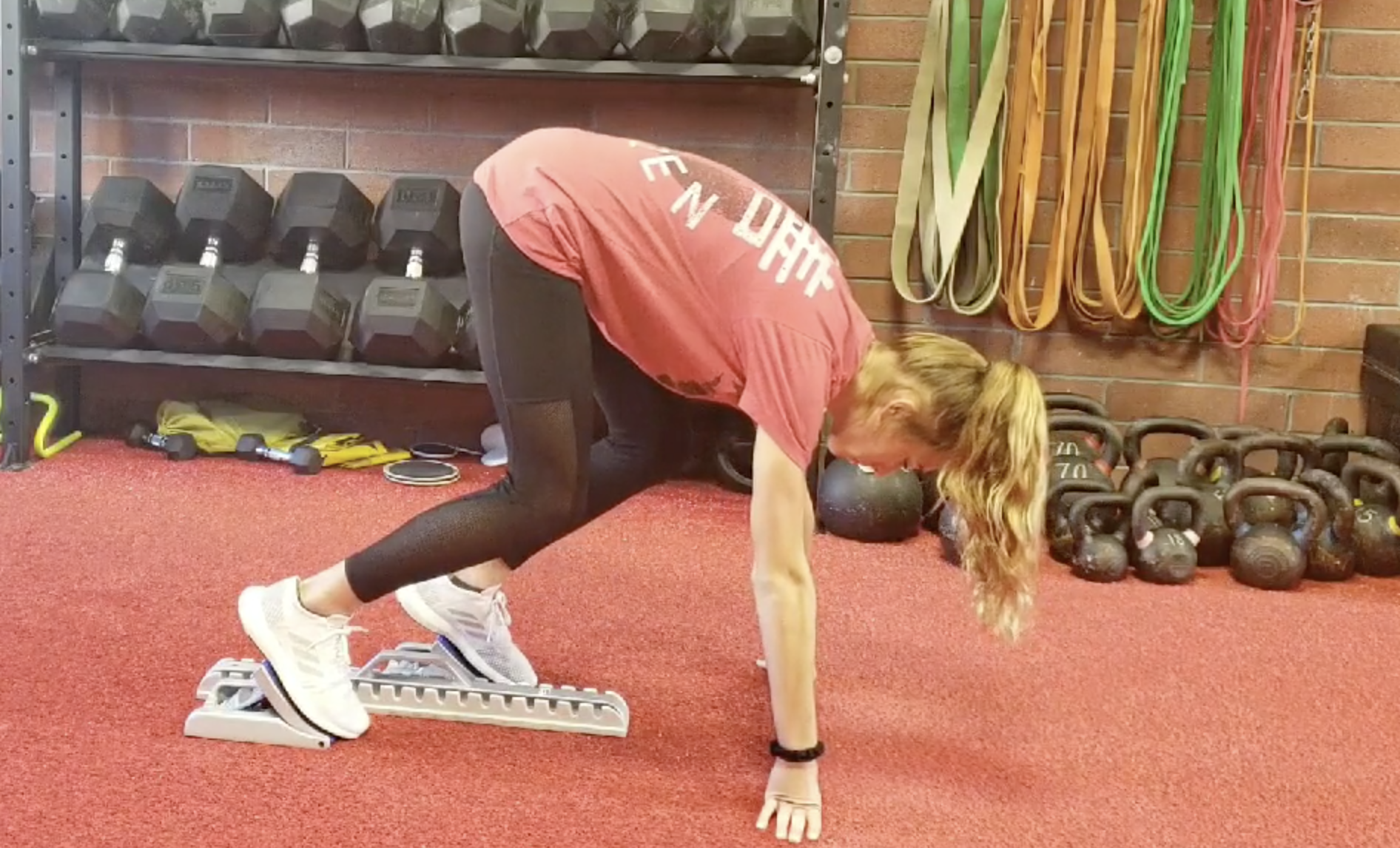
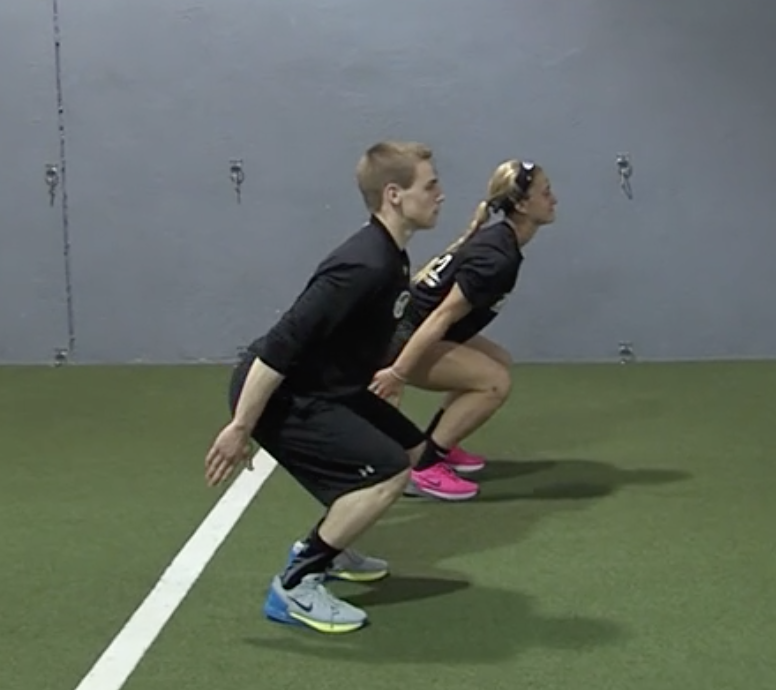
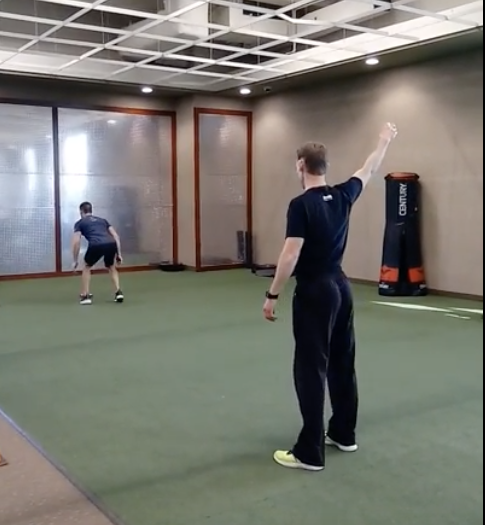
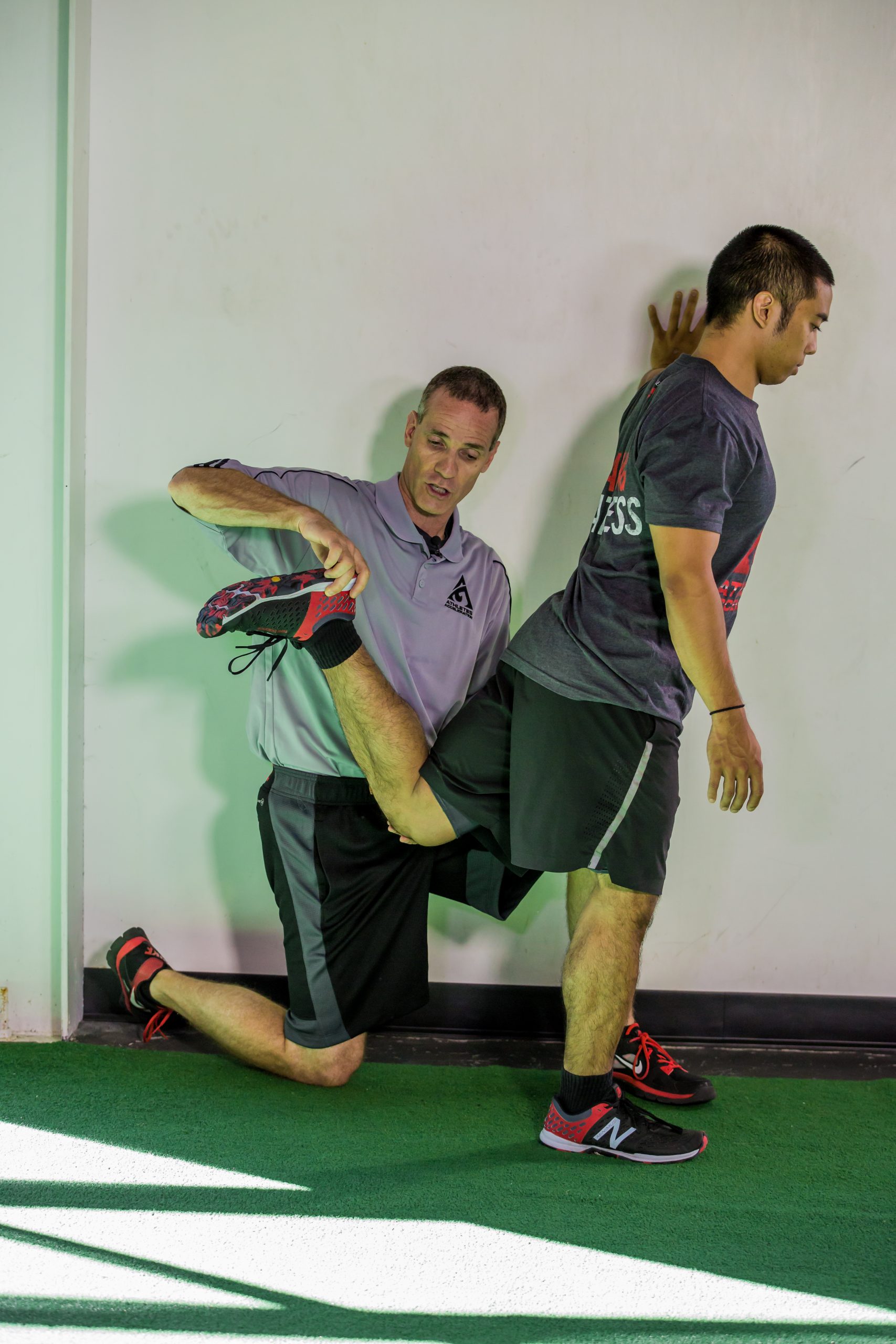
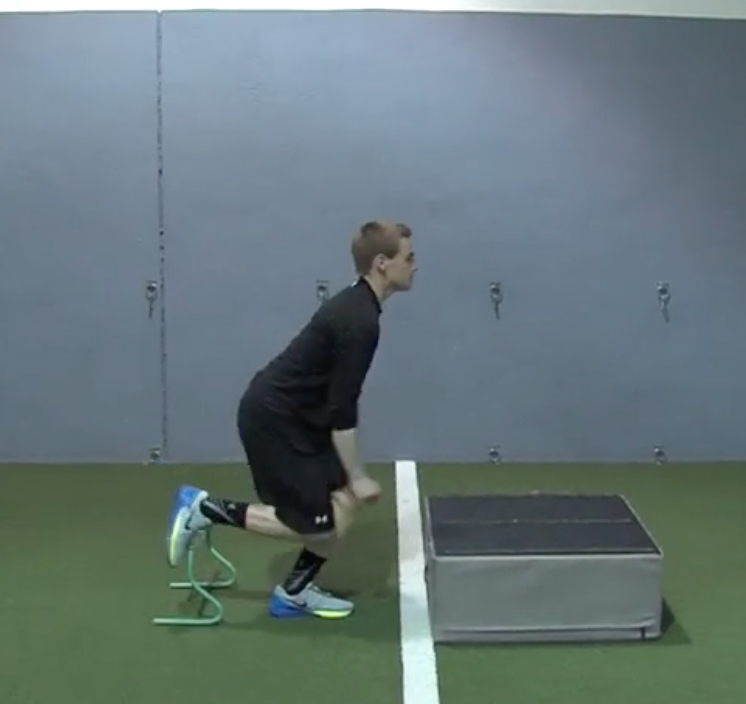
The YSAS course, on the other hand, is very skill and progression dominant. Instead of just showing you all the drills you can use, we actually show you how we teach these skills and progressions to real athletes in a training situation.
(For example, I had never met the athlete I workwith in the course *and* he is a wrestler so ’speed’ isn’t a skill he has developed. So we didn’t stage the filming to work with top tier athletes.)
And I think this is a more effective way for you to learn how to progress/regress, modify and evolve the way you run your practices.
Here is a perfect example of why I think you will see the greatest benefits with the YSAS course:
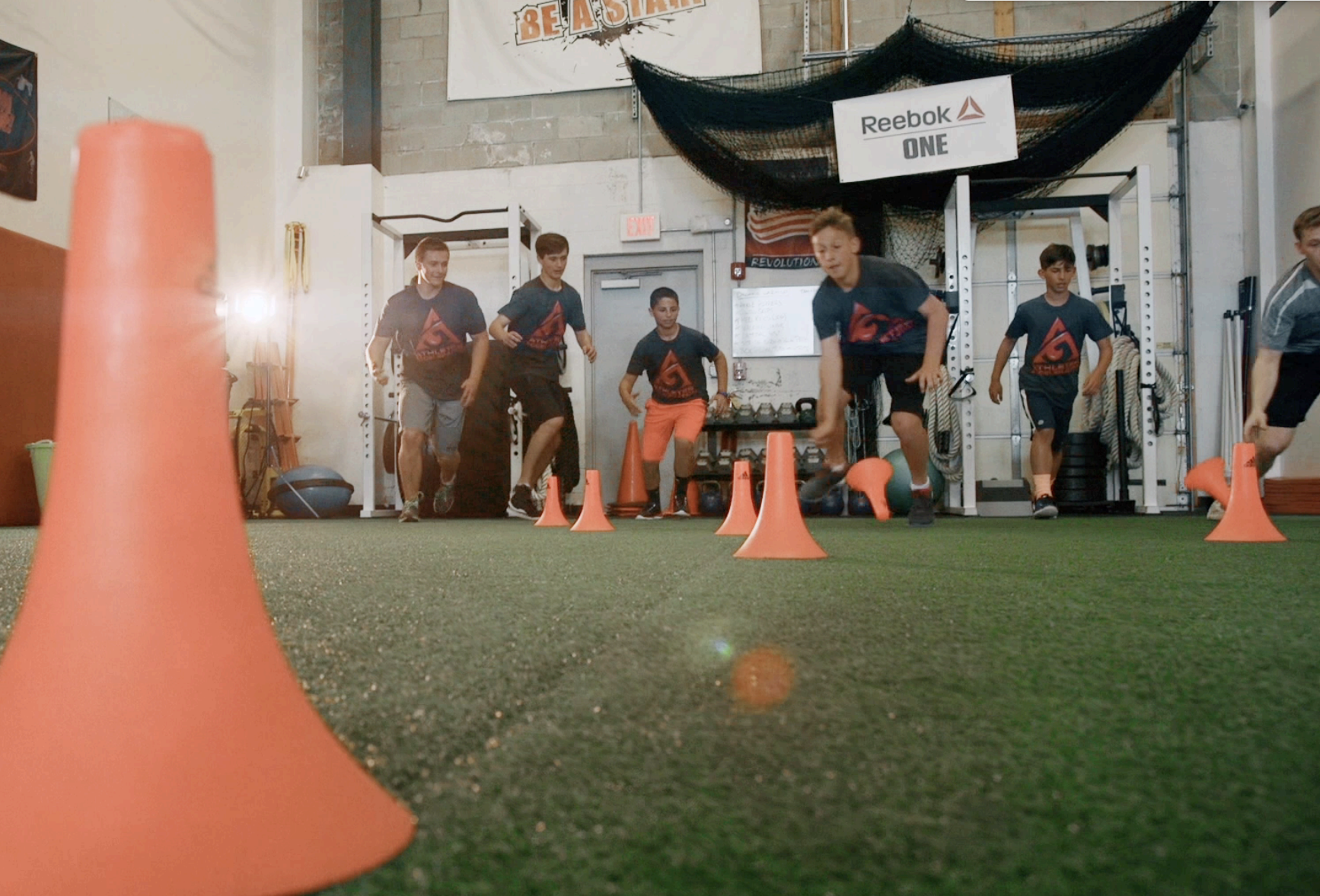
In the agility DVD of CST, I teach that skill using primarily agility ladder drills and cone drills. There is nothing wrong with using these techniques, but as you learned from our teleseminar, these drills should supplement the skills we teach, not serve as the skills.
So I don’t think CST does a stellar job teaching the multidirectional component of speed.
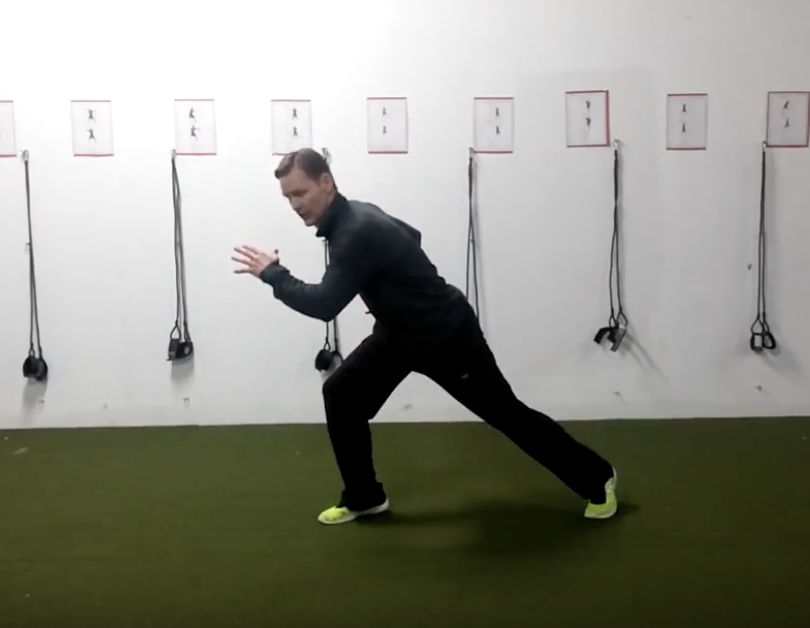
On the other hand, in the YSAS course, Dave Jack bases all his instruction on the teaching of skill sets, progressions and regressions. He teaches you the general and specific movement patterns that generally and specifically apply to general and specific situations that field and court sport athletes of all ages will face in competitive situations.
He does an awesome job. Personally, I think he steals the show, though Dr. Brooks wrote a fascinating and detailed manual that you’ll learn a lot from.
Simply put, CST was filmed in the summer of 2004. YSAS was filmed in the summer of 2011. Here in 2011, the combination of myself, Dave Jack and Dr. Brooks flat out know a lot more than just I did back then.
Plus, I’d bet the farm that 2011 Latif would severely outcoach 2004 Latif.
And for that reason alone, I recommend the YSAS course over CST. I believe you will provide a better experience and help your athletes achieve the best results with this program.
I hope I’ve given you an honest, objective assessment of the two programs so you can make an informed decision.
When you’re ready to become a better speed coach, invest in the IYCA Youth Speed & Agility Specialist Certification Course.
To your success,
Latif Thomas